
The Difference Between Honest and Hurtful When “straight talking” becomes a cover for meanness
We’ve all met them. The person who opens a conversation with, “I’m just a straight talker,” and then says something that leaves the room a little colder. It’s usually delivered with a shrug, a laugh.

But there’s a gap between being direct and being unkind. And too often, that gap gets papered over with jokes, sarcasm, and “you know I’m only joking.”
The “Straight Talker” Persona
Being a straight talker means saying what you think clearly and without unnecessary padding. It’s about honesty, respect, and clarity. It doesn’t require an audience.
What often gets labeled as straight talking is actually something else: comments designed to score a point, test a boundary, or make someone else feel small while keeping the speaker safe. The line is intent. Are you trying to help the person understand, or are you trying to win?
Inside Jokes That Aren’t Funny to Everyone
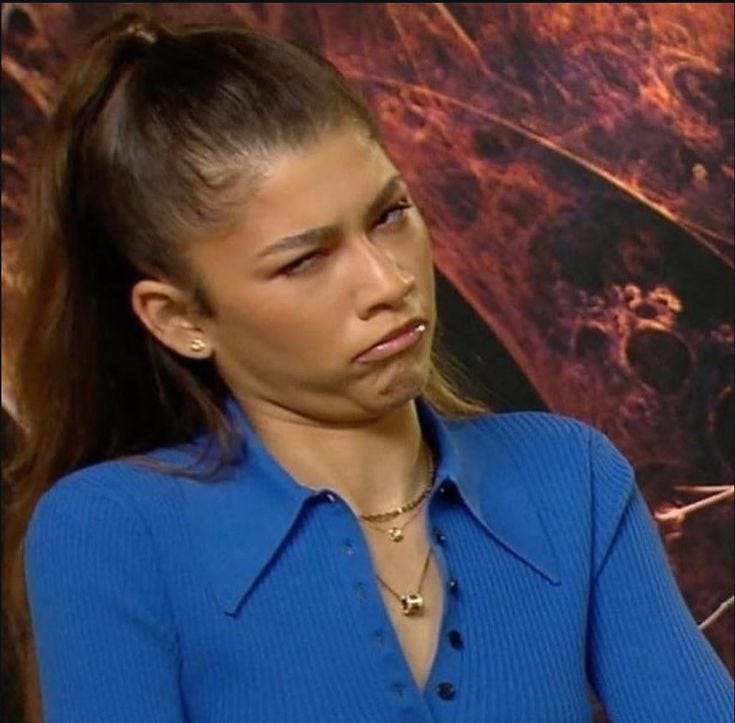
Inside jokes work because they build shared history. They’re the shorthand of close relationships.
The problem starts when those jokes stop being shared and start being used. A comment that once made two friends laugh becomes a repeated jab at a third person who isn’t in on it. Everyone else laughs because it’s awkward not to. The target laughs too, because calling it out would make them “too sensitive.”
Over time, the joke becomes a way to remind someone where they stand, without ever having to say it directly.
Subtle Comments That Cut Deeper Than They Should
Direct criticism is uncomfortable but clear. Subtle comments are harder to name.
It’s the backhanded compliment: “Wow, you actually showed up on time.”
It’s the loaded question: “Are you still doing that hobby? That’s… interesting.”
It’s the quiet exclusion: a story told to the group that skips one person’s name, even though they were there.
These moments are easy to dismiss as “just teasing.” But teasing requires consent. When it’s one-sided, it stops being play and starts being pressure.
Why It Happens in Friendships and Relationships
Close relationships lower the stakes. We feel safer, so we speak looser. But safety cuts both ways. The closer you are, the more weight your words carry.
Some people use “I’m just honest” as armor. It lets them avoid accountability while keeping the moral high ground. Others do it unconsciously, copying the communication style they grew up with. Either way, the pattern continues until someone names it.
How to Tell the Difference
Ask yourself two things after a “straight” comment:
Would I say this if the person wasn’t in the room? If not, it’s probably not about honesty.
Does this make it easier or harder for the other person to trust me next time? Honesty builds trust. Meanness erodes it.
Real straight talk leaves room for the other person’s dignity. It’s specific, not sweeping. It’s timely, not a dig from three months ago. And it doesn’t need an audience to land.
What to Do When It Happens to You
You don’t have to play along. A simple, “Hey, that landed a bit harsh,” is enough. If the person cares, they’ll adjust. If they double down with “Wow, can’t take a joke,” you’ve learned something about the relationship, not about yourself.
Friendships and relationships last on trust, not on who can land the cleverest jab. The people who keep you close aren’t the ones who are the bluntest. They’re the ones who are honest enough to be kind, and kind enough to be honest.
If this resonated, you’re not alone. The line between honest and hurtful gets blurry in every relationship. The difference is whether people feel safer after talking to you

.
I love this piece Yonella. It touches on something very real and everpresent in our day to day lives. One of the things that irritate me the most, is when somebody says "No offence, but..." followed by something vicious. You can't keep your "nice" persona in tact by adding 2 words to a direct, unnecessary insult. And a lot of people don't see it that way.
Thank you for this article 🙏